Historic Terowie, South Australia
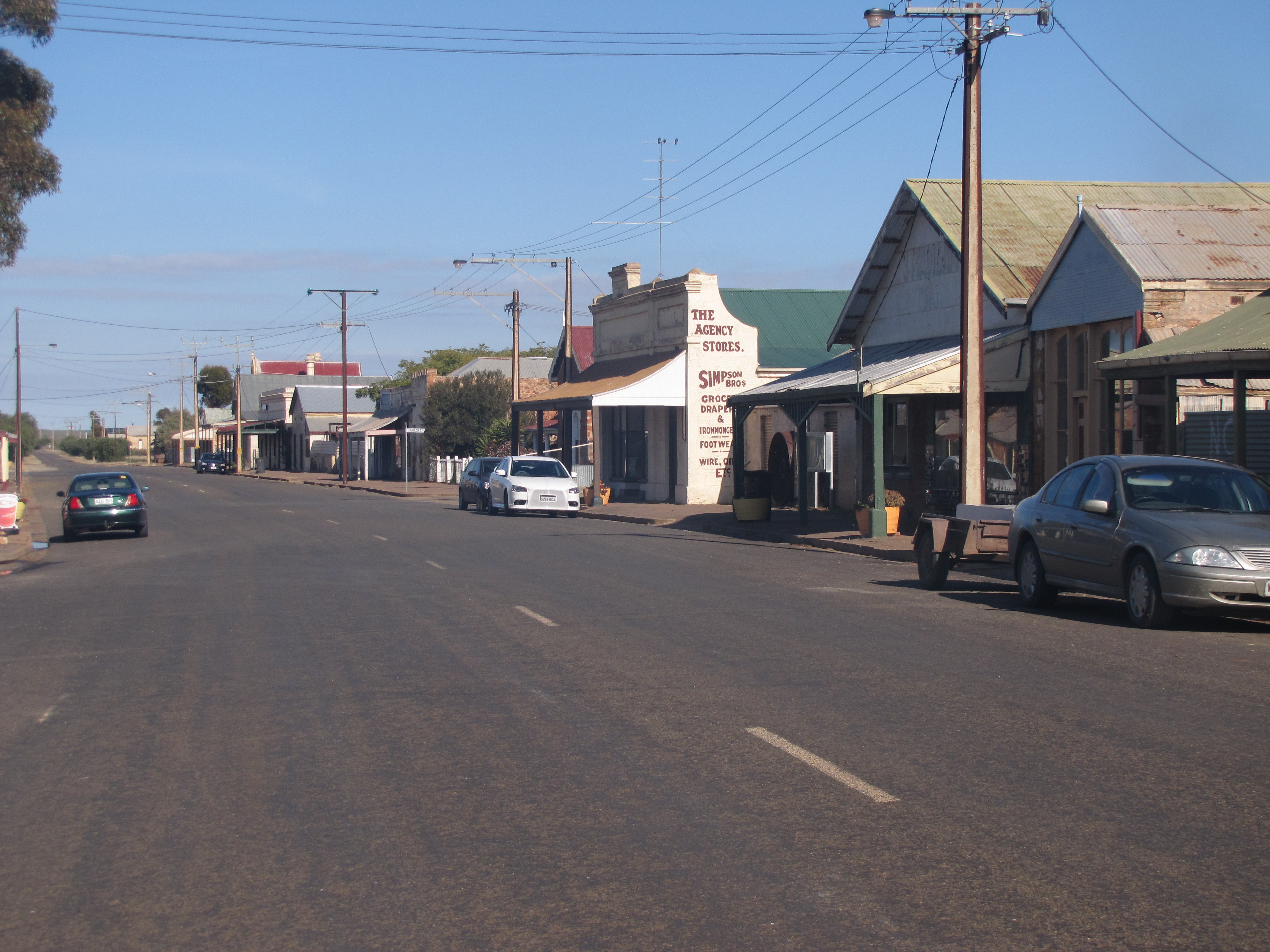
Main street of the mid-north town of Terowie
On out way home from a recent visit to family in Peterborough we called into the historic town of Terowie in the mid-north of South Australia. This old town is about a 20 minute drive south of Peterborough and normally we take the by-pass route. On this occasion we went into the town in order to take some photos of the old bank building there. A friend asked us to take a few photos because her camera failed to download the photos she had taken on a visit last year.
Terowie was surveyed in 1877 and was soon settled and became a thriving town. The growing network of railways in South Australia ensured that the town would – for a time – thrive. It soon became a bustling town and served the growing rural community in which it was based. Now it is a sleepy, quiet town, far removed from the hustle of former days. Here you can read more about its history, and some of the people who lived and worked there.
I will post more photos in coming days.
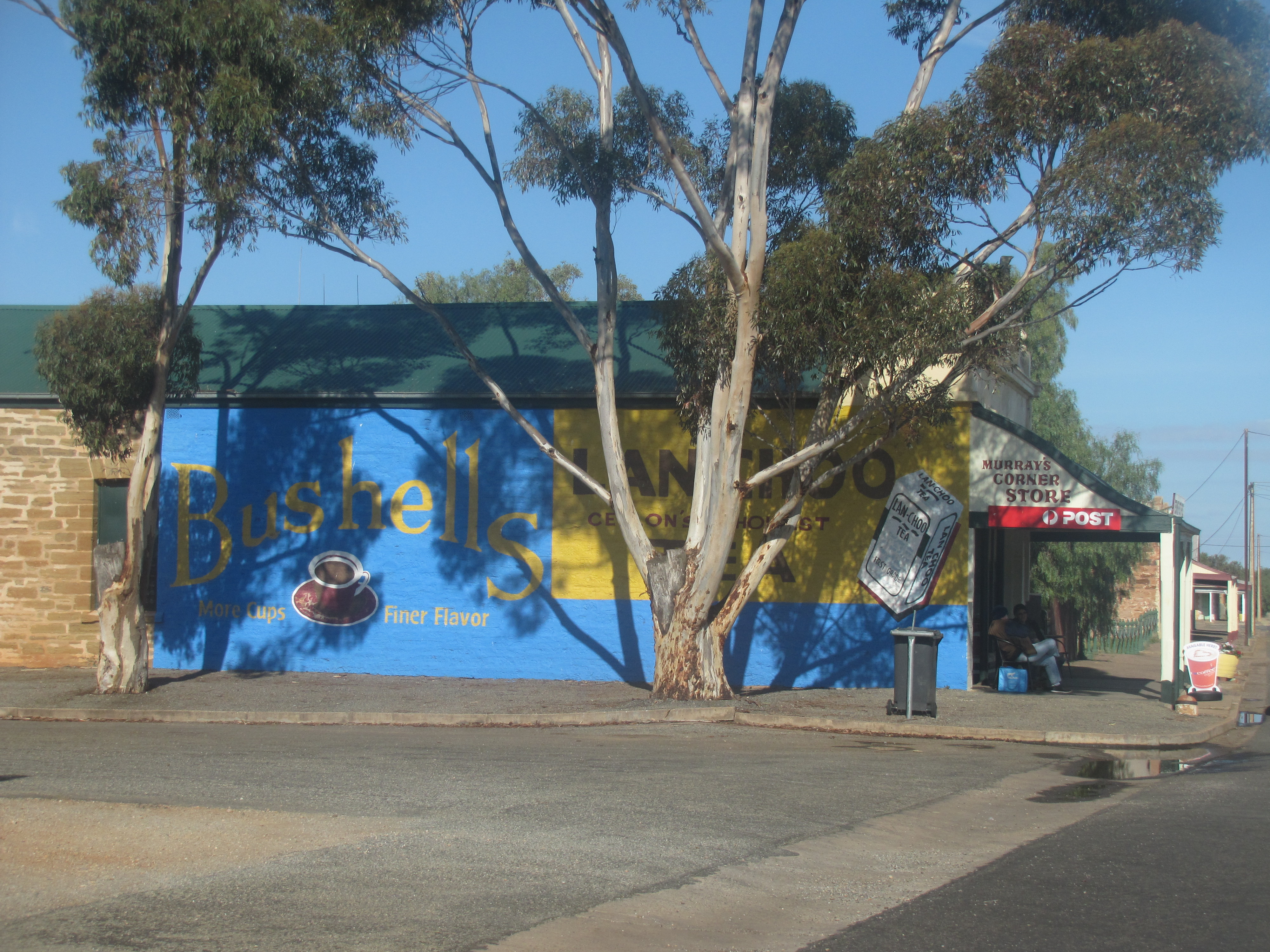
Advertising on the side of the local store in Terowie
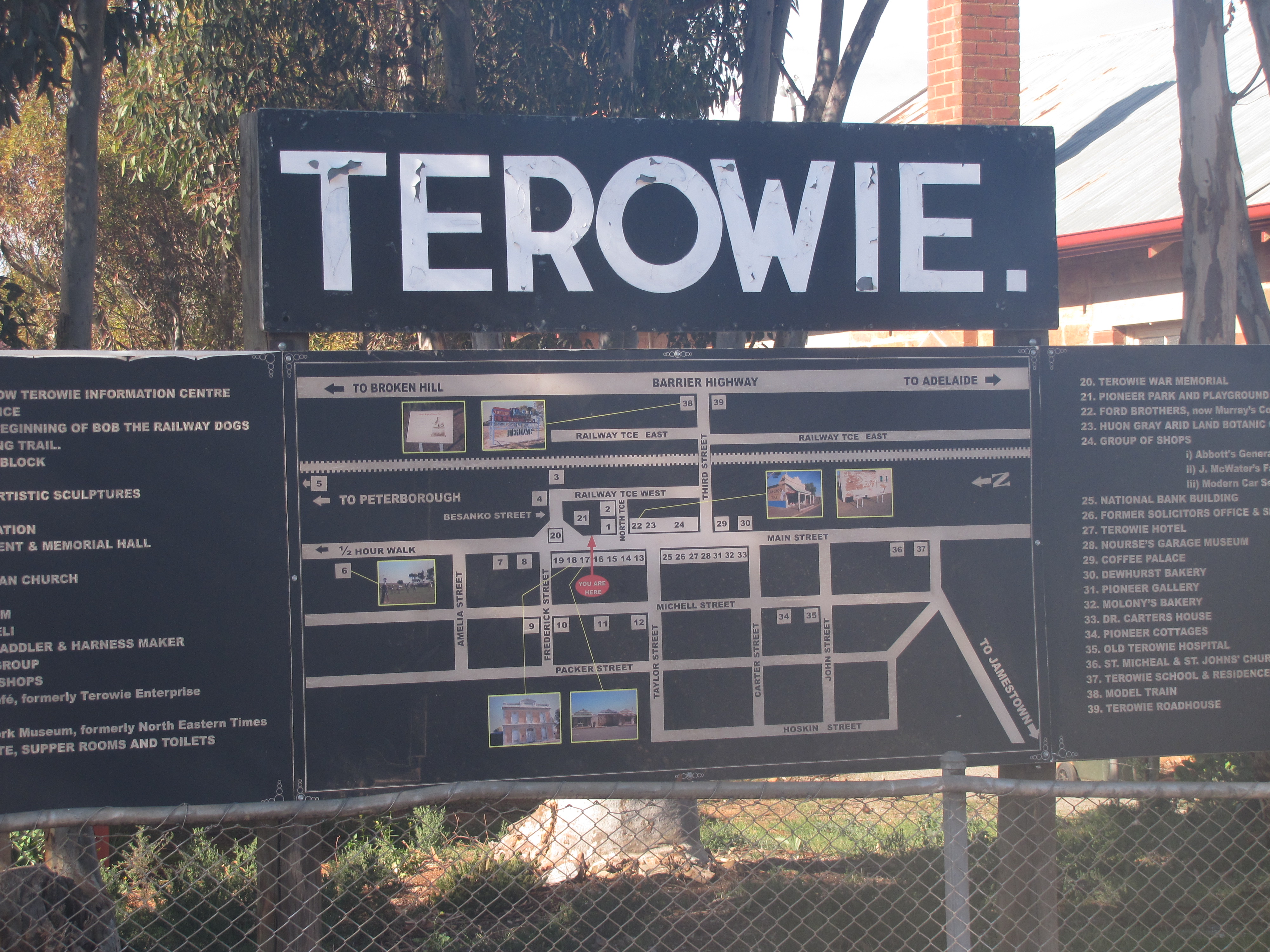
Map of the town on a sign in the main street
Old Town Hall in Peterborough
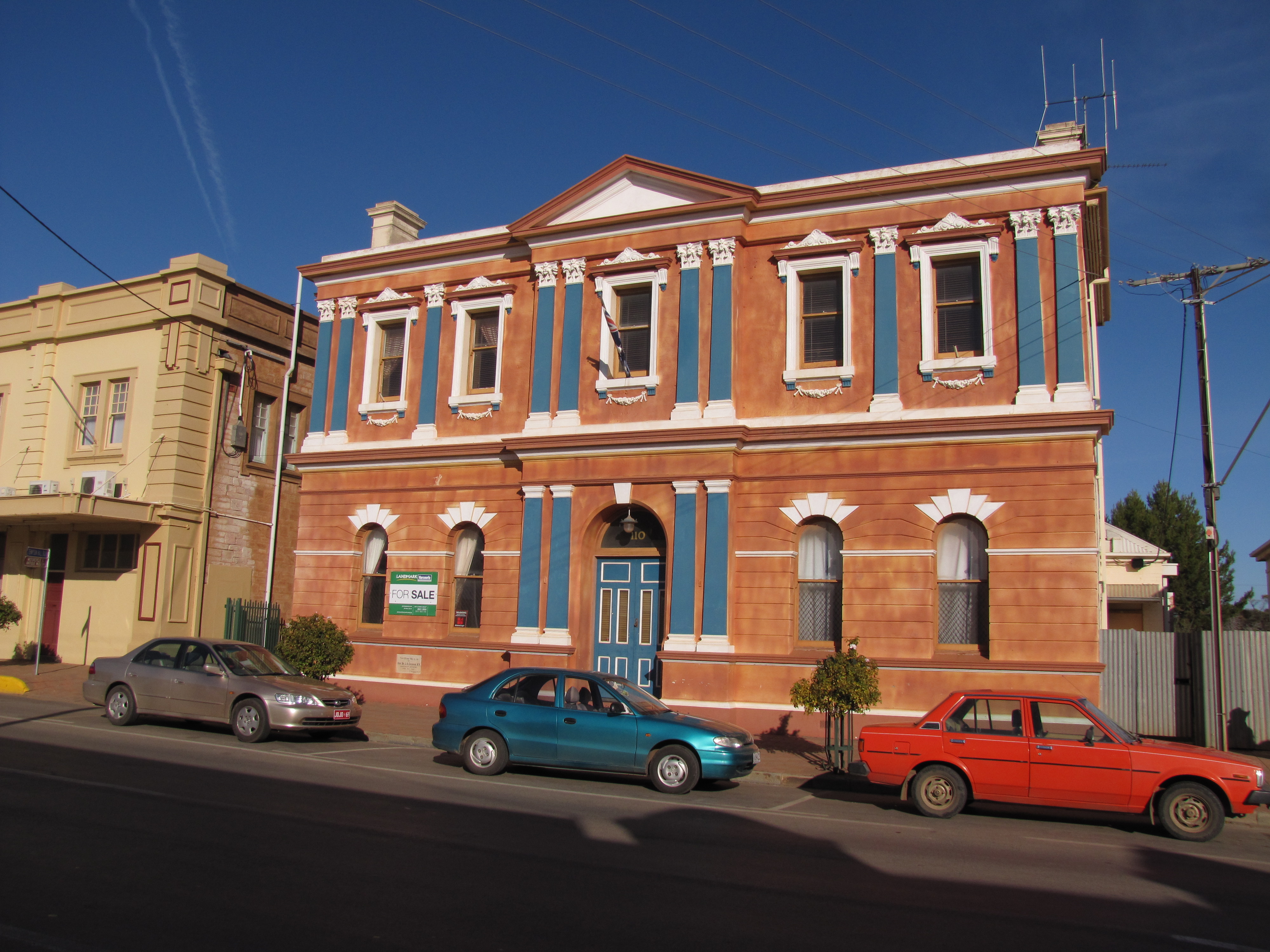
Old Town Hall in Peterborough, South Australia
The magnificent building shown in today’s photograph was the original town hall in Peterborough in the mid-north of South Australia. It was built in 1884 as a private building. From 1889 it was used as the Town Hall until the new, current Town Hall was opened in 1927 – you can see the current town hall to the left of the old building.
This building, in addition to serving as the town hall, has been variously used as a museum, library, courthouse and even a skating rink. It is now a private residence. You can read more about this building here.
Federation Quilt Peterborough
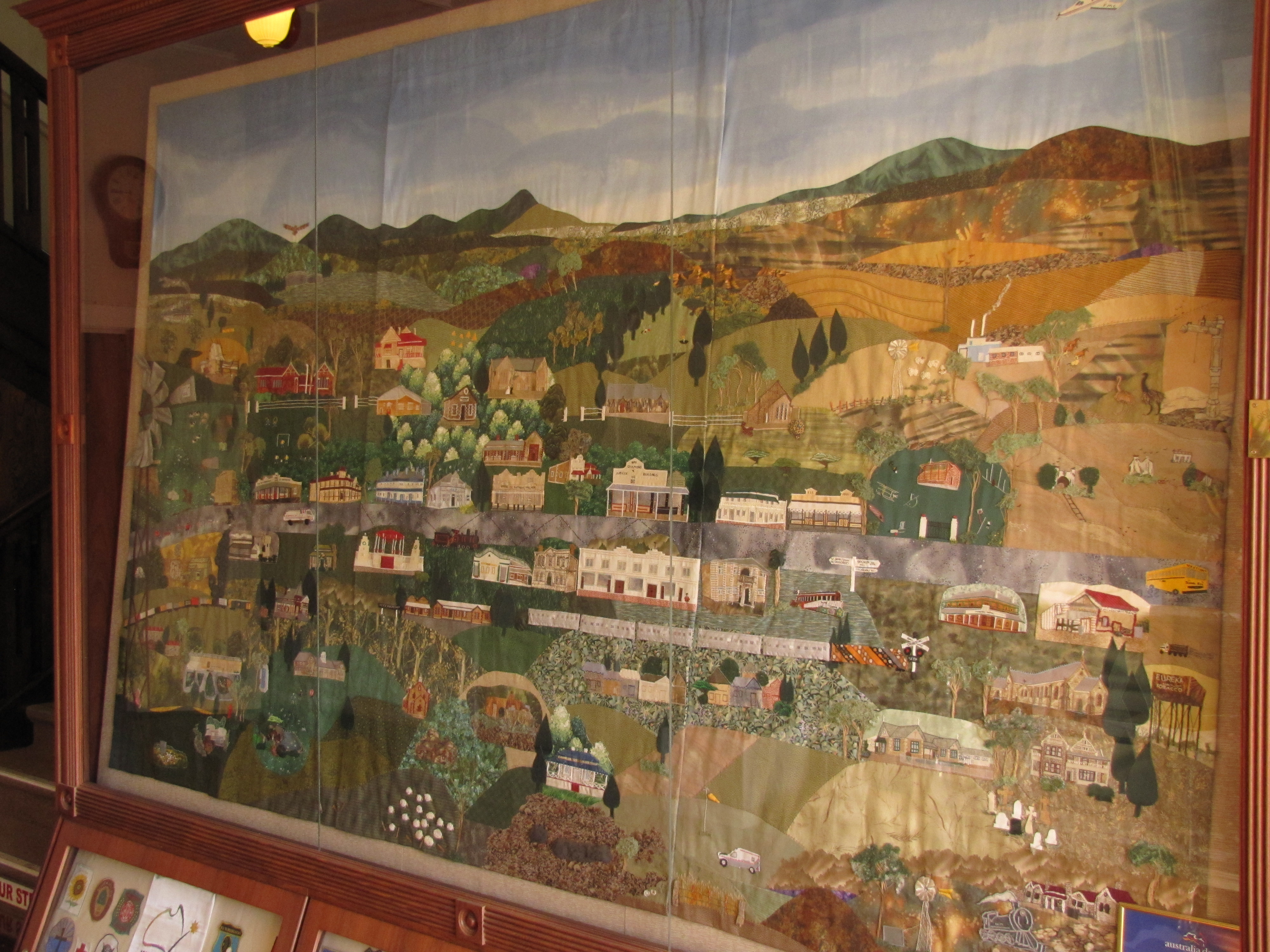
Federation Quilt, Peterborough Town Hall
The Federation Quilt is on display in the entrance foyer of the Peterborough Town Hall in the mid-north of South Australia. It was made by the local Peterborough Patchwork Quilters group, who also put on special displays of quilts during the annual Arts and Cultural Festival every Easter.
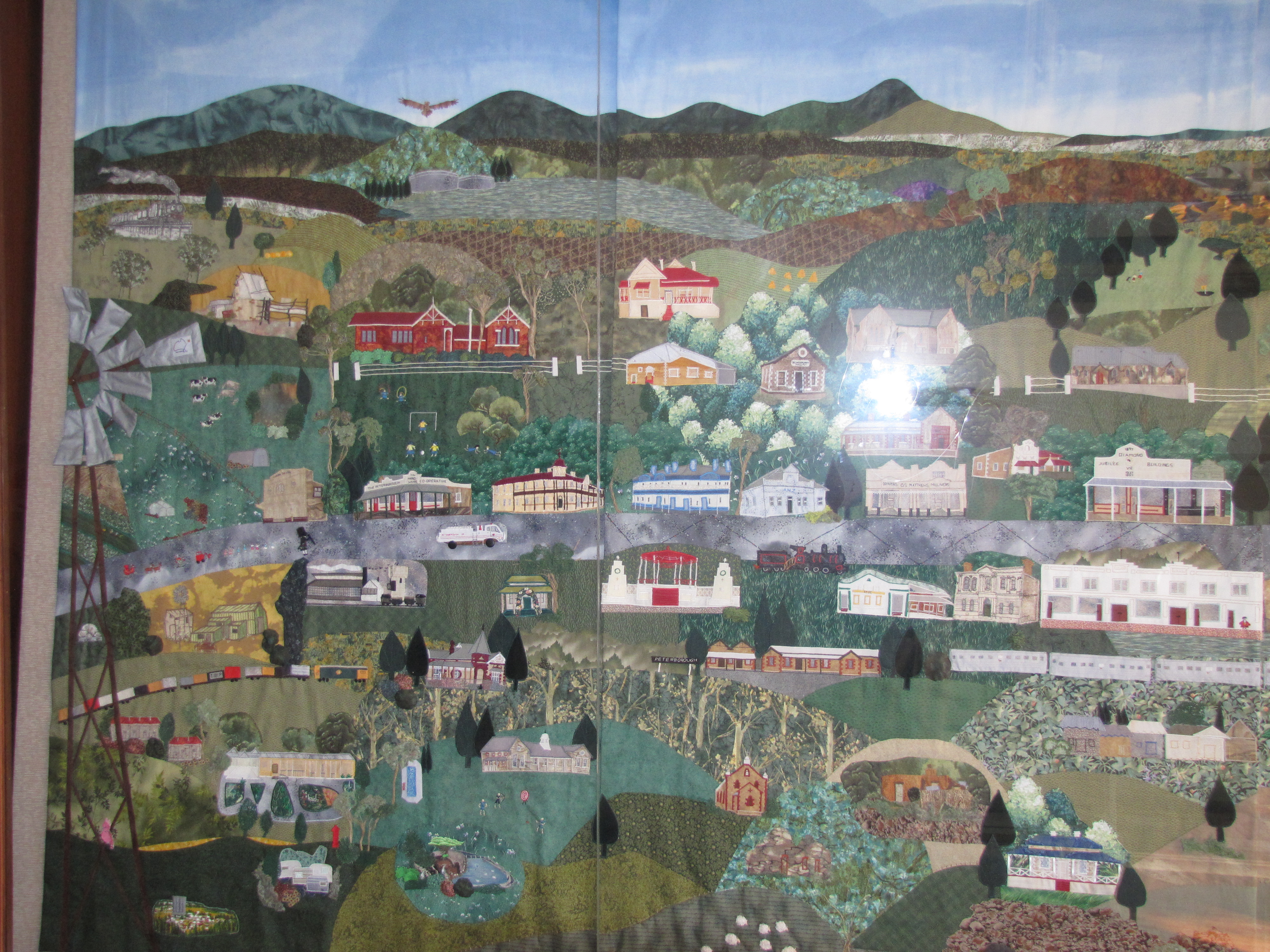
Federation Quilt, Peterborough Town Hall
Peterborough Town Hall, South Australia
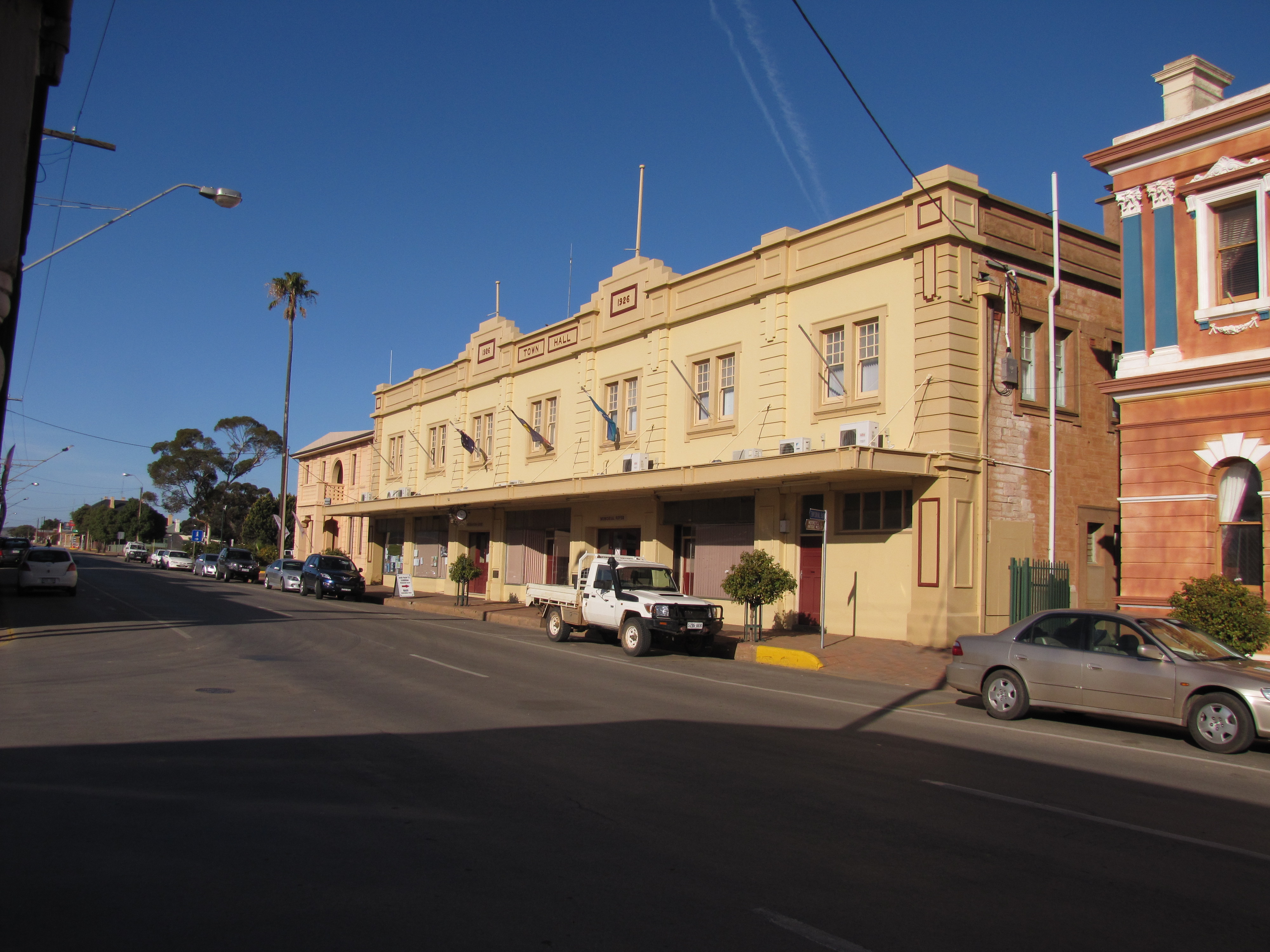
Peterborough Town Hall
Over recent days I have been sharing some photos of various aspects of Peterborough in the mid-north of South Australia. We often go there to visit family. My wife grew up and went to school in the local school, and her sister and brother-in-law still live there.
One of the more prominent buildings in the main street is the Town Hall, featured in today’s photos. According to the date on the top of the façade it was completed in 1926, but the fact sheet put out by the council says 1927.
Marvel at one of the largest heritage listed Town Halls in country South Australia.
Commissioned by a very proud outgoing council in 1926, the Town Hall was
completed in 1927. The original five shop fronts are now converted into council
offices and the Mayoral chambers are situated up the ornate stair-cases. The
left hand foyer is known as the Federation Foyer and is where you can see and
hear about the magnificent Federation quilt, donated to the community from the
Peterborough Patchworkers. The right hand foyer is the Memorial Foyer where you
will find Keith Payne’s Victoria Cross display and the Citizen of the Year honour roll.
Please pop your head in to witness the grandeur of the beautiful building.
The town hall is used for many functions throughout the year. Every Easter we attempt to visit Peterborough for the annual Art and Cultural Festival, held around Easter time. Included in the festival is a huge art and photographic exhibition and competition. Every time I go I comment that I must enter some of my photos; the family is still waiting.
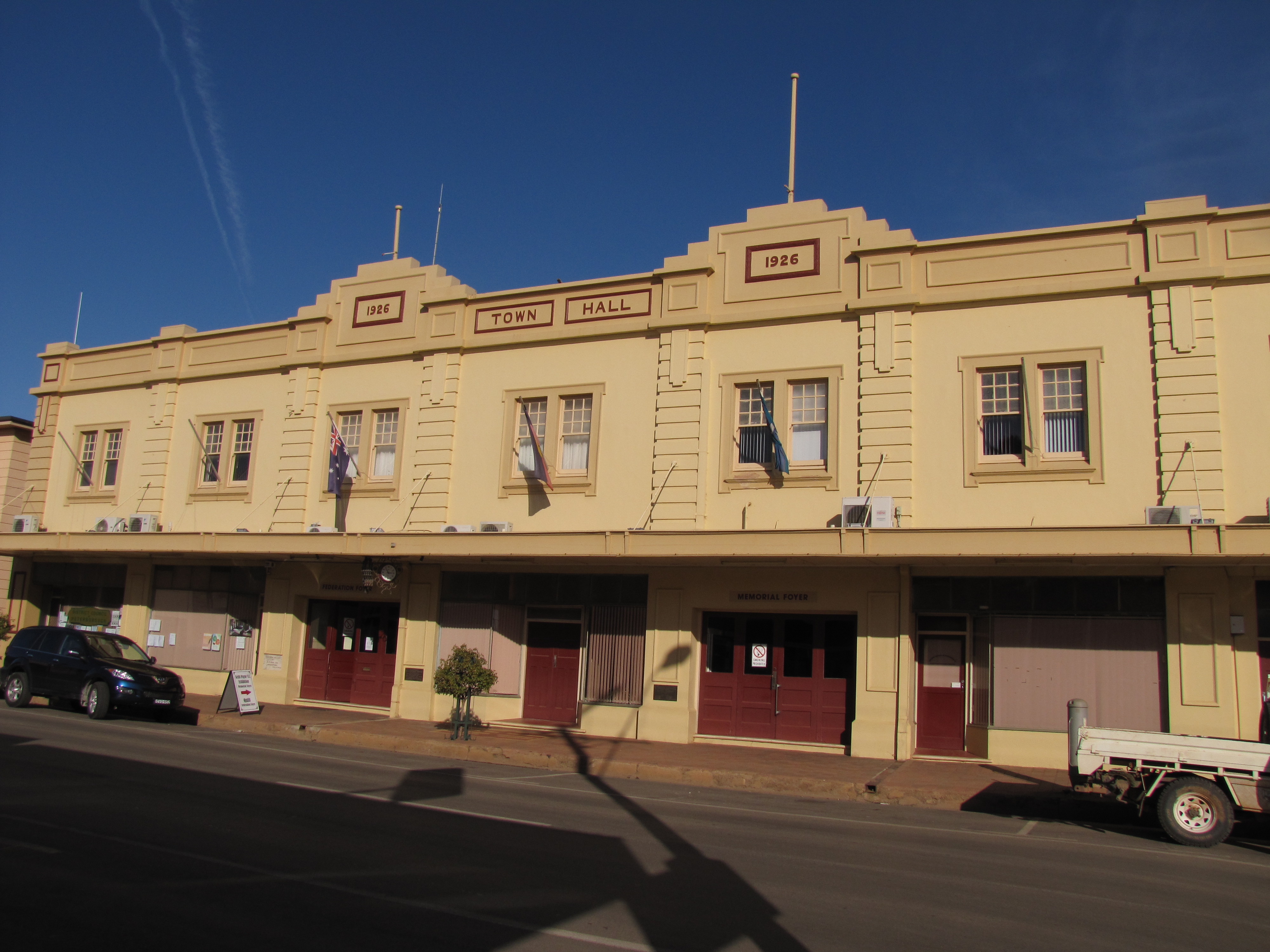
Peterborough Town Hall
YMCA Building , Peterborough
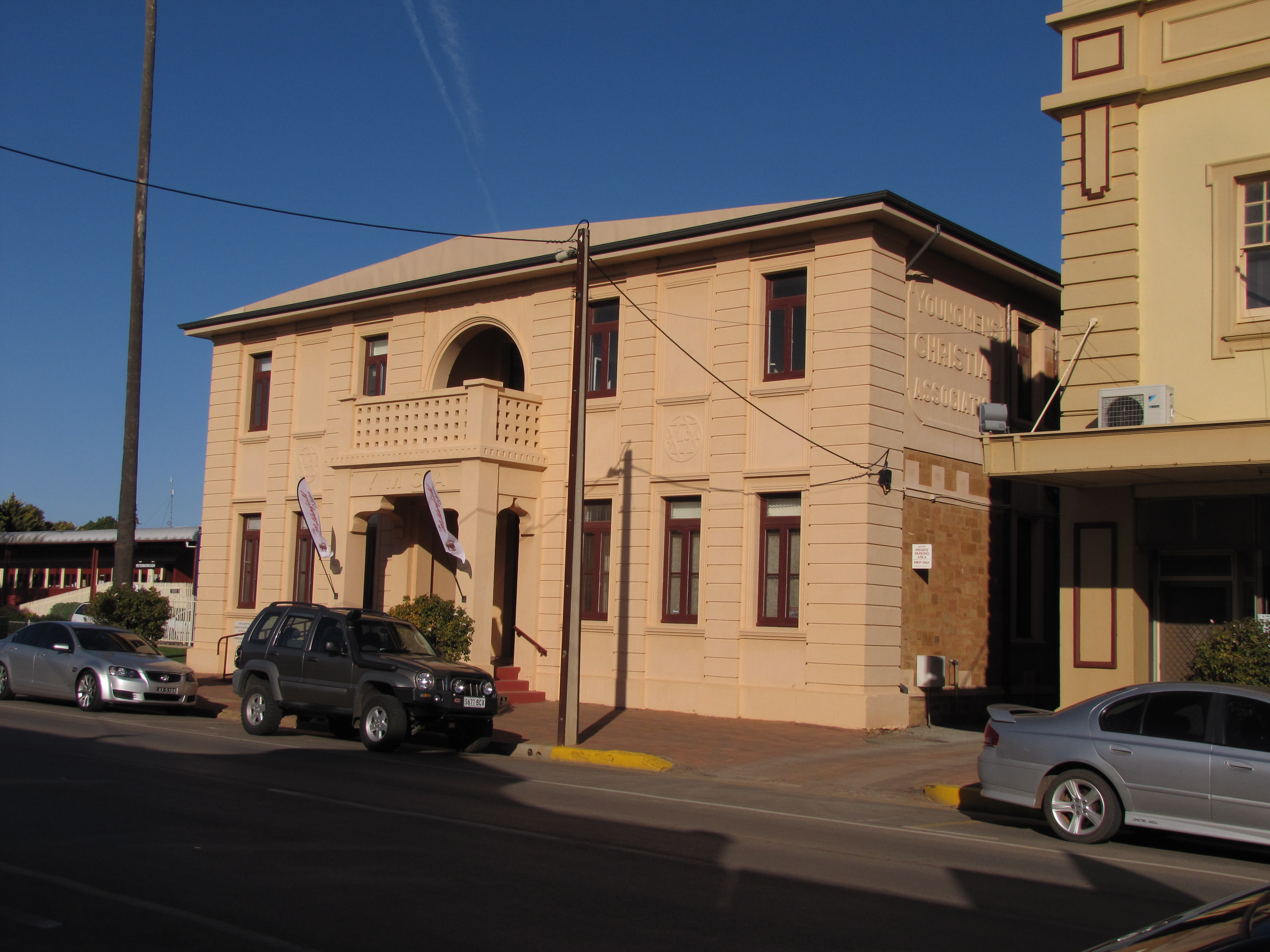
Former YMCA Building in Peterborough, South Australia
While on a recent visit to relatives in Peterborough in the mid-north of South Australia, I took time out one sunny afternoon to take a few photos of some prominent features of the town. Over recent weeks I have been sharing these photos and writing about the various features of this once well established railway town.
One of the beautiful buildings in the main street is the YMCA Building, right next to the Town Hall which I will feature in the coming days. This building no longer serves its former use and is now an important tourist attraction for what it contains.
The following quote is an extract from the local council tourist brochure:
In the middle of the town, between the Visitor Information Centre and the Town Hall, the historic former YMCA building has sprung back to life as a museum. Downstairs houses a unique display of MELDONFIELD Miniatures, created by Mary & Eldon Zimmermann. The must-see attraction is the original Petersburg Railway station, situated in the foyer of the main entrance, which has been rebuilt on a scale of 1:12 from the original stone, bricks and wood salvaged by Eldon.
Historic Cobb & Co coaches made by Eldon with Mary’s miniature people, also to scale with the coaches, are on display as well as the huge number of tools and plans which have been used to create these fascinating miniatures. It is truly a wonderful collection for those people who appreciate such attention to detail in miniature making and for those interested in the history of transportation.
Upstairs in this building the Peterborough Historic Group has painstakingly bought the “single men’s” rooms back to original condition and in each of the rooms are housed artefacts associated with the history of “Petersburg to Peterborough” and the surrounding region. Set your mind wondering to how people use to live and experience a taste of a life long gone. Open daily from 9am to 4pm except Christmas.
I have seen parts of this exhibition and can thoroughly recommend a good look – both visitors and locals alike.